

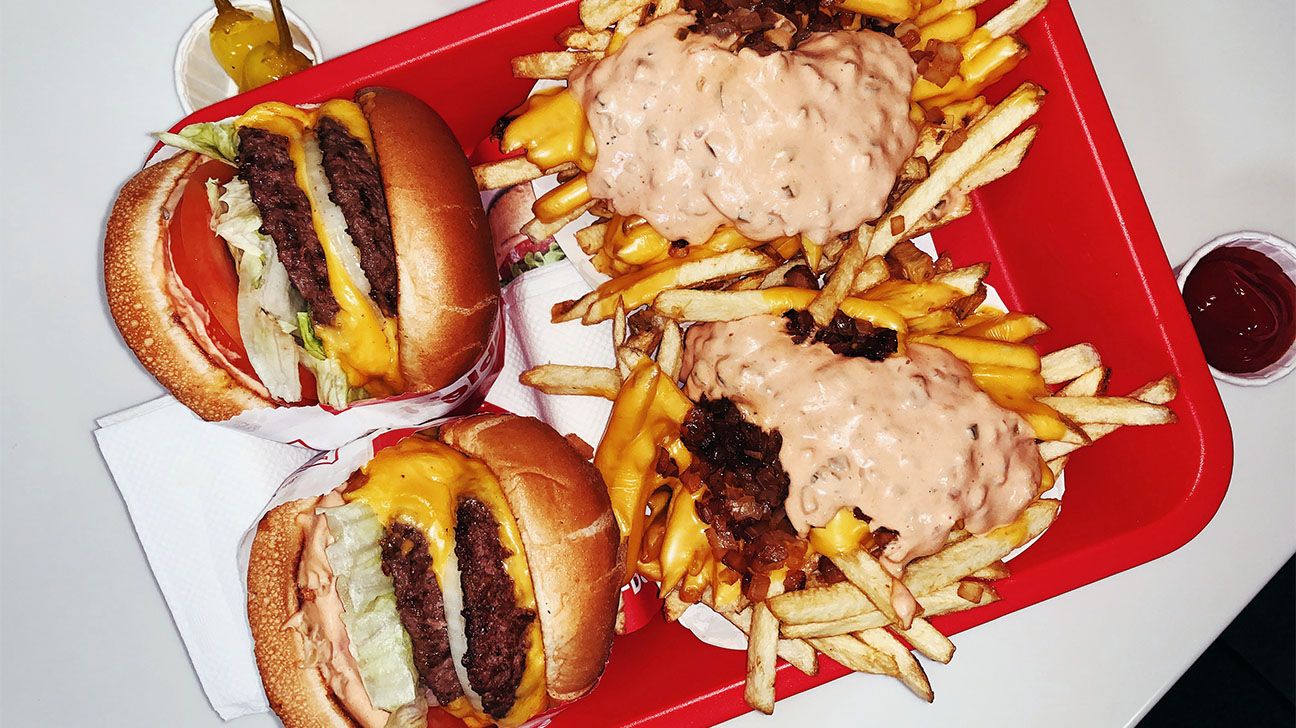
- A new review determined that ultraprocessed foods (UPFs) could be just as habit-forming as cigarettes.
- The researchers found that UPFs are engineered to maximize pleasure and hasten the delivery of reinforcing components.
- The “addictive” property of such products means they drive uncontrollable eating and disrupt natural hunger cues.
- Study contributors suggest that ultraprocessed foods could be subject to regulations similar to those for tobacco products.
At present, there is not a universal definition of UPFs. Certain experts classify them as products that include components you would not find in a personal cupboard, such as stabilizers and artificial substances.
A lot of dietitians rely on the NOVA classification to define UPFs. This talks about products that contain “formulations of components, mostly of exclusive industrial use, usually made by a set of industrial techniques and methods.”
A recent analysis released by The Millbank Quarterly suggested that UPFs are potentially as addictive as cigarettes.
“I agree with this study, as UPFs are specifically engineered to be extremely attractive to most individuals,” noted a weight loss specialist not affiliated with the research.
Data from last year estimates that over 73% of the food supply in the United States are highly processed.
“Cigarettes and UPFs are not simply natural products but scientifically formulated delivery systems engineered deliberately to maximize biological and psychological reinforcement and habitual overuse,” noted the review’s authors.
Are Ultraprocessed Foods Addictive?
This analysis integrated insights from substance use, historical health policy, and dietary science to identify sensory and structural characteristics that boost the addictive quality of both cigarettes and ultraprocessed foods.
“Not everyone is ‘addicted’’ to such products, but for a meaningful minority, they trigger classic habit-forming patterns: strong cravings, inability to stop, and continued use despite negative health effects,” explained a preventive cardiology dietitian.
“These products are intentionally designed with processed carbohydrates, extra oils, sodium, and taste additives to optimize reward and repeat consumption, and the food sector employs persuasive advertising strategies, particularly targeting young people,” she continued.
Scientists analyzed several important factors:
- delivery speed
- pleasure-based design, or designing foods to be extremely pleasurable
- perfecting the amount
- environmental ubiquity
- deceptive reformulation, or “health washing”
They found that, similar to tobacco, ultraprocessed foods are carefully calibrated to provide the right dose of sweetness.
“Processed carbs stimulate the feel-good chemical production through the vagus nerve, while lipids do so through fat detection in the gut,” the researchers wrote.
“… Ultraprocessed foods with high levels of processed carbs and extra oils are among the most potently rewarding foods in the contemporary food supply. It is key that this processed carb and fat mix is rarely found in nature.”
The way such products rapidly introduce “pleasure-inducing” chemicals to the mind makes them potentially addictive, in a comparable way to tobacco.
The review noted that while cigarettes are engineered to deliver the addictive compound rapidly, UPFs are engineered to be broken down and absorbed quickly, as they usually have minimal fiber. This makes it easier for the body to process fat and sugar faster.
The researchers also point out that ultraprocessed foods give intentional intense tastes that fade quickly and textures that dissolve easily. This collectively works to trigger increased pleasure signals and prompts you to eat more.
‘Wellness Branding’ in Cigarettes, Ultraprocessed Foods
According to the analysis, both the cigarette and food sectors have historically employed a strategy known as “health washing.”
This is when goods are marketed and reformulated to create an perception of reduced harm while preserving the core of their properties.
This tactic in the cigarette sector became popular in the mid-20th century with the introduction of filter tips on smokes.
These were sold as safety features that would catch harmful substances before they entered the lungs. The truth is, filters provide minimal significant protection.
However, people typically adjusted by taking bigger puffs or smoking more frequently, which offset any reduction in harmful intake.
Food manufacturers has taken a similar approach. It employs packaging claims such as “low fat” or “sugar-free” to market UPFs.
Yet, these foods often retain the very addictive ingredient combinations. The problem is that these changes present a surface-level appearance of wellness while the item’s habit-forming nature and metabolic harms persist unchanged.
Should Ultraprocessed Foods Be Regulated?
The researchers stated at the end of their review that nourishment and tobacco are not the same thing.
Still, they cautioned that certain UPFs function like highly optimized products rather than real nourishment. They proposed that health regulations should reflect this reality.
“Cigarettes offers a cautionary tale, and smoking regulations provides a source of hope,” the researchers stated.
Due to regulations, cigarette use levels in the US have fallen and have “altered public perception of smoking and eroded confidence in the sector.”
“I believe greater education about the harmful effects of UPFs is essential to lower public intake and improve population wellness. The approaches used to curb cigarette consumption have been effective and could be a useful blueprint for ultra-processed foods as well,” said one specialist.
“I don’t think ultraprocessed foods should be regulated exactly as cigarettes, but they do warrant more robust, smoking policy-based policies: marketing restrictions, clear packaging warnings, tighter rules on wellness assertions, and restrictions in schools or medical facilities,” added another nutrition professional.
The authors pointed out to people that minimally processed and unprocessed foods have sustained human health for millennia.


